Business Card Design Tips to Make a Lasting Impression
A business card is more than just a piece of paper—it’s often the first impression someone has of your brand. Whether you’re meeting clients, attending networking events, or promoting your services, your card needs to speak for you when you’re not there. With the right design, your business card can help you build trust, stay memorable, and stand out from the competition. In this article, we’ll explore practical business card design tips to help you make a strong and lasting impression.
Start With the Basics
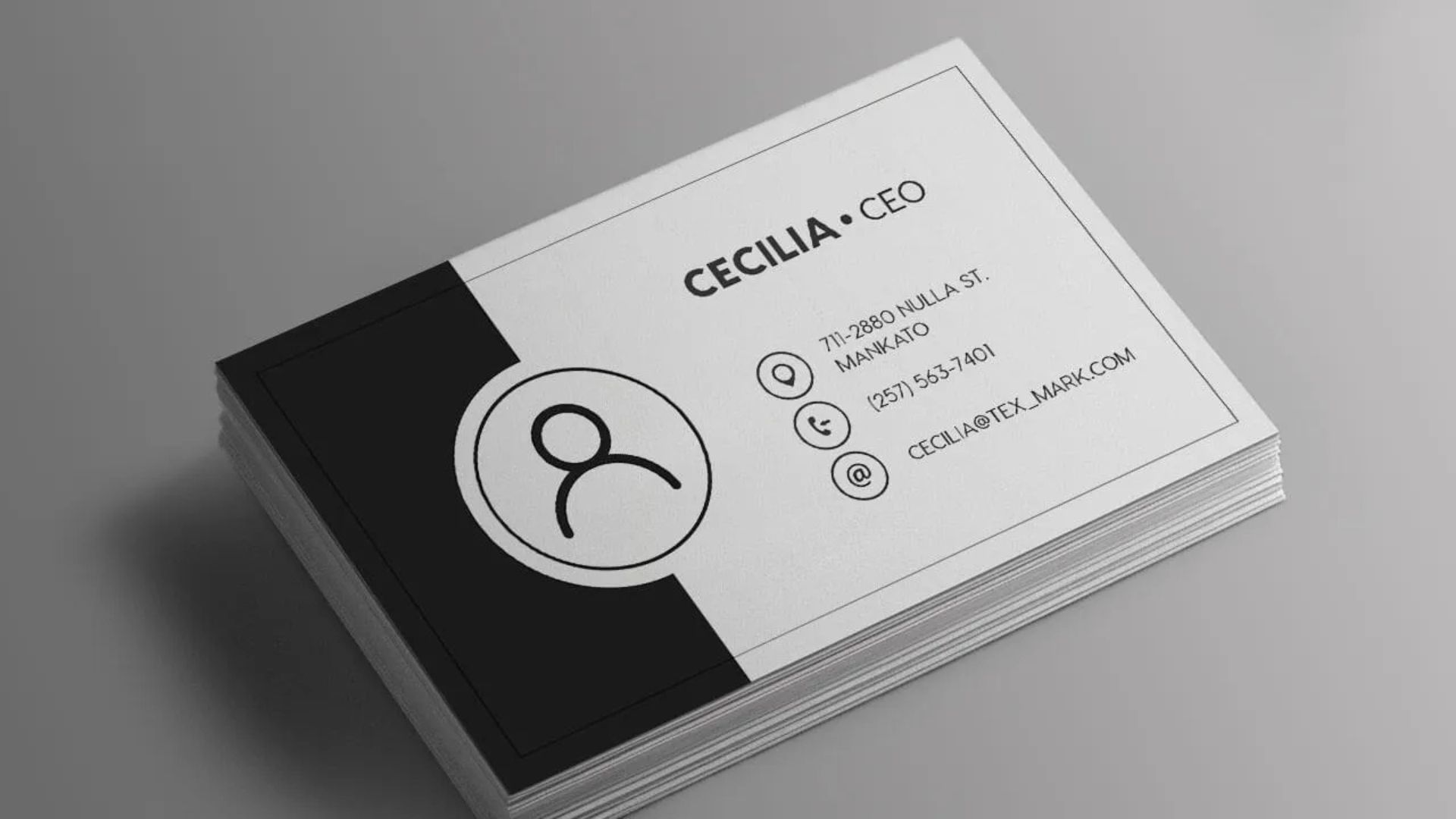
Before diving into creative ideas, make sure your business card includes all the essential details. At a minimum, include your name, job title, company name, phone number, email, and website. If you have a physical location or social media profiles relevant to your business, include those too. Keep the information clear and easy to read.
Keep It Simple
It’s tempting to fill every inch of your card with design elements, but a cluttered card is hard to read and looks unprofessional. Focus on balance and simplicity. Use space wisely by leaving some white space so your content can breathe. A clean design gives your card a modern and elegant feel.
Stick to Readable Fonts
Choose fonts that are easy to read. Fancy or overly decorative fonts might look stylish, but they can be hard to understand at a glance. Stick with simple, professional fonts like Arial, Helvetica, or Lato. Also, make sure the font size is large enough—don’t make people squint to read your contact info.
Use Quality Paper or Materials
The feel of your card can say just as much as the design. Use thick, high-quality paper that feels solid in the hand. You can also explore special finishes like matte, glossy, or textured surfaces to add a premium touch. A durable, well-made card shows that you care about quality and attention to detail.
Show Off Your Brand Colors
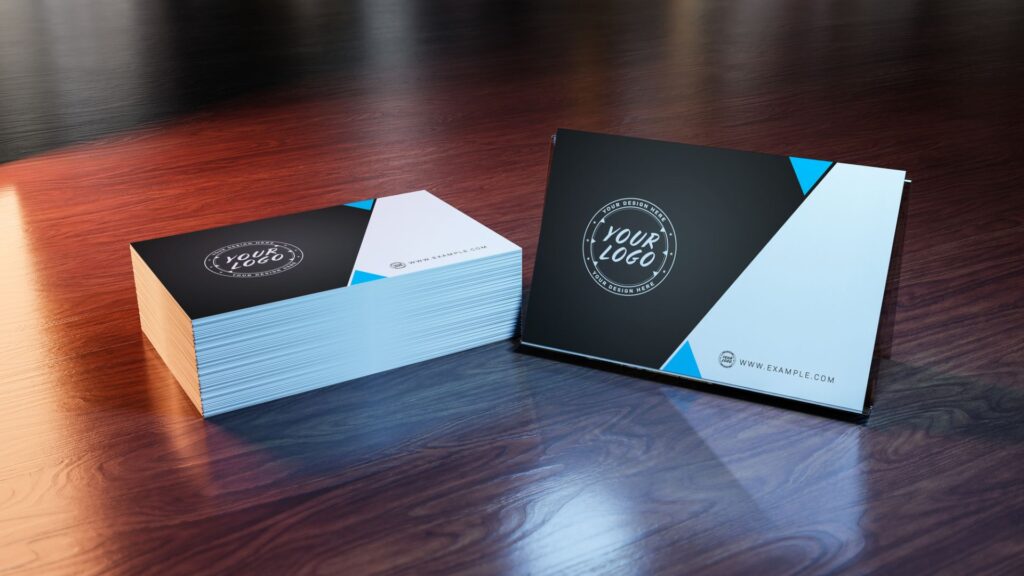
Your business card should match your brand’s color scheme. Consistency with your logo, website, and marketing materials builds trust and helps people recognize your brand easily. Use your primary brand colors, but avoid using too many shades. Stick to two or three colors for a clean and focused design.
Make Your Logo Stand Out
Your logo is a key part of your brand, so place it where it gets noticed. Typically, the top left or center of the card works well. Make sure your logo is clear and not pixelated. A high-resolution image is a must. Your logo should support your message and make your card instantly recognizable.
Consider Both Sides
Don’t leave the back of your card blank. Use it to share more value. You can place a tagline, a list of services, a QR code that links to your portfolio, or even a short message inviting the recipient to connect. Just make sure the back matches the overall style and doesn’t overload the design.
Add a Call to Action
A simple call to action can turn a card into a lead-generating tool. You could say “Visit our website for more” or “Follow us on Instagram @yourhandle.” This guides the recipient to take the next step after meeting you and can increase engagement with your brand.
Try Creative Shapes or Features
While the standard card size (3.5 x 2 inches) is popular for a reason, using a unique shape or feature can make your card unforgettable. Consider rounded corners, vertical layouts, or even folding cards. You can also add features like embossing, foil stamping, or spot UV to make certain parts shine.
Review Before Printing
Always double-check your design before sending it to print. Look out for typos, outdated information, or poor image quality. Ask someone else to review it with fresh eyes. Print a sample card if possible to see how it looks in real life. A small mistake on your card could lead to missed opportunities.
Bonus Tip: Go Digital with a QR Code
Adding a QR code to your business card is a smart way to bridge the gap between print and digital. It allows people to scan and instantly access your website, portfolio, contact form, or LinkedIn profile. Make sure the QR code works and is sized appropriately—too small and it won’t scan.
Conclusion
Your business card is a small but powerful marketing tool. It helps people remember you and opens the door to future business opportunities. By keeping your design clean, professional, and consistent with your brand, you can make a great impression that lasts. Use quality materials, show your contact info clearly, and don’t be afraid to add creative touches that reflect your style. When done right, a business card becomes more than just contact details—it becomes a reflection of your brand’s personality and professionalism.